

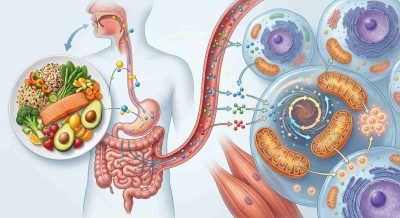
Food supplies the body with energy and nutrients needed for daily activities. The digestive system breaks food into smaller components that can be absorbed and used by cells.
The Importance of Meal Composition
A meal containing only rapidly digested carbohydrates may affect blood glucose differently from one that combines carbohydrates with protein, fiber, and fat. Fiber can slow digestion and contribute to feelings of fullness. For many people, meals based on vegetables, fruits, whole grains, protein-rich foods, and healthy fats provide a more balanced nutritional profile than meals dominated by highly refined foods.
Hydration
Water does not provide calories, but it is essential for normal physiological functions. It supports blood volume, temperature regulation, digestion, and cellular processes. Mild dehydration can occur through normal daily activities, particularly in hot environments or during exercise. Drinking according to thirst and maintaining regular fluid intake can support hydration.
Food to Energy
Carbohydrates, fats, and proteins are the major macronutrients. Carbohydrates can be broken down into glucose and other simple sugars. Fats can provide concentrated energy, while proteins supply amino acids needed for tissue maintenance and many biological processes.
Cells ultimately convert energy from nutrients into ATP, a molecule used to power numerous cellular activities.
Energy Is More Than a Food Issue
Feeling tired does not necessarily mean that a person needs more food. Sleep deprivation, stress, illness, medications, anemia, and other factors can contribute to fatigue. Persistent or unexplained fatigue should not automatically be treated by changing diet alone. A healthcare professional can help identify possible causes when symptoms continue.
Conclusion
Nutrition provides the raw materials and energy required by the body, but everyday energy also depends on sleep, hydration, physical activity, and health status. A balanced approach is more useful than relying on a single food or supplement for energy.