
Healthy eating is often associated with strict food rules, but sustainable nutrition usually depends on a pattern of choices rather than a single meal. Understanding portion sizes can help people recognize their needs, enjoy a wider variety of foods, and avoid feeling that healthier eating requires giving up everything they love.
What Is the Difference Between a Portion and a Serving?
A portion is the amount of food someone chooses to eat at one time. A serving is a reference amount used on nutrition labels or in dietary guidance. These amounts are not always the same. For example, the quantity poured into a bowl may be larger or smaller than the serving listed on a package.
Neither term automatically describes how much a particular person should eat. Energy and nutrient requirements vary with age, body size, activity level, pregnancy, breastfeeding, and health conditions. Appetite and personal circumstances also influence food needs.
Use a Balanced Plate as a Starting Point
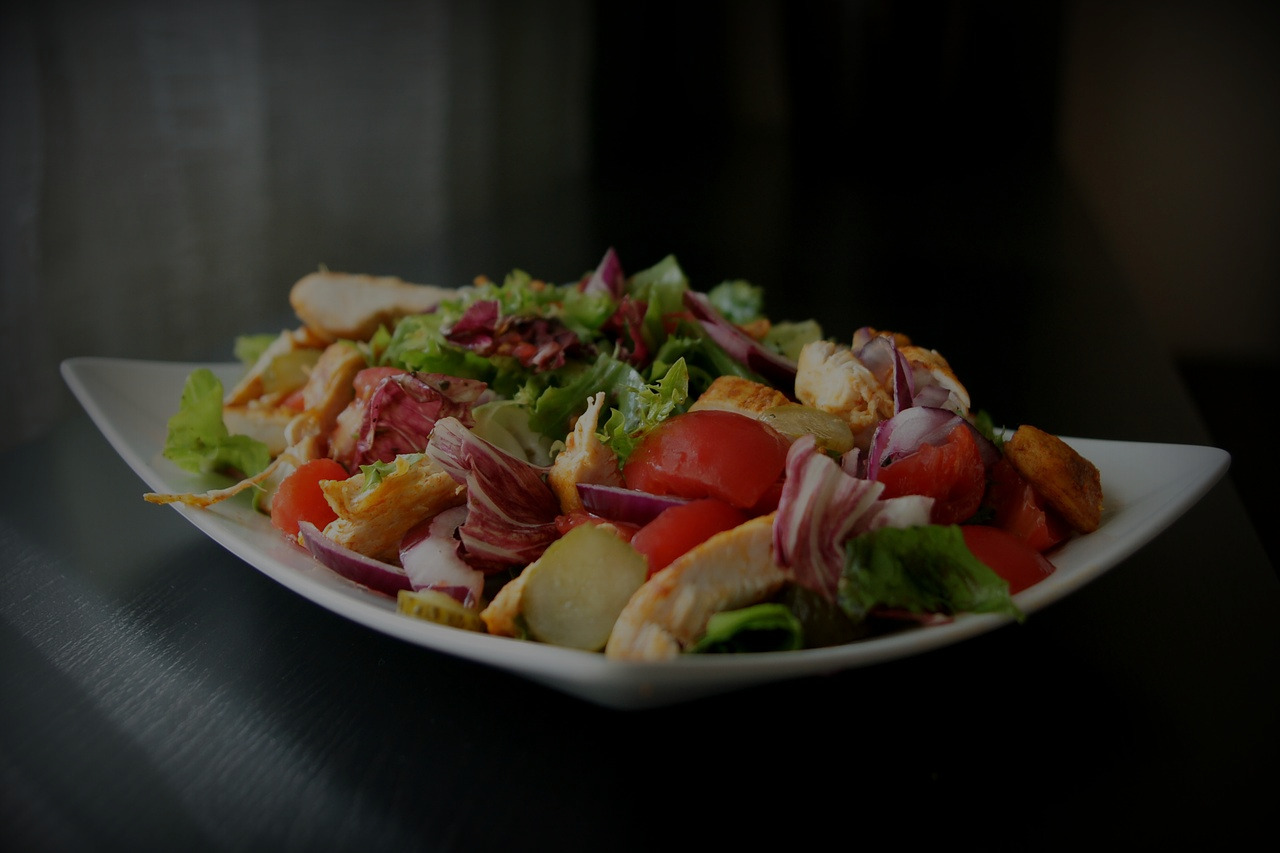
For many adults, a practical meal-planning guide is to fill approximately half the plate with vegetables and fruit, one-quarter with protein-rich foods, and one-quarter with whole grains or other carbohydrate-rich foods. This is a flexible visual guide, not a rigid prescription for every person or medical condition.
Protein options may include eggs, fish, poultry, beans, tofu, or other suitable foods. Vegetables add fiber and micronutrients, while rice, potatoes, oats, and other carbohydrate sources can provide energy. Dietary fats, such as those from nuts, seeds, and vegetable oils, can also contribute to a balanced diet.
Practical Ways to Understand Your Portions
Pay Attention to Hunger and Fullness
Eating slowly can make it easier to notice changes in hunger and satisfaction. Pause during meals and consider whether you need more food. Avoid treating fullness as a failure or assuming that everyone must eat the same quantity.
Plan Snacks Intentionally
Snacks can help bridge the time between meals, especially when someone has a demanding schedule. Fruit, yogurt, eggs, or nuts may provide a combination of useful nutrients, depending on individual needs and dietary restrictions.
Check Labels When Helpful
Nutrition labels can clarify serving information, added sugars, sodium, and other nutrients. However, package serving sizes are not necessarily recommended personal portions. Use the information as a guide rather than a reason to become anxious about food.
Keep Healthy Eating Flexible
Enjoying dessert or a favorite traditional dish can fit into an overall balanced eating pattern. What matters more is the pattern of eating over time than whether every individual meal follows an idealized formula. Affordable frozen vegetables, seasonal produce, and home-cooked meals can also make nutritious choices more accessible.
Conclusion
Portion awareness can support healthier eating without unnecessary restriction. Combine a variety of foods, consider your personal nutritional needs, and use hunger and fullness cues as useful information. A flexible approach is often easier to maintain than strict rules that leave little room for everyday life.