
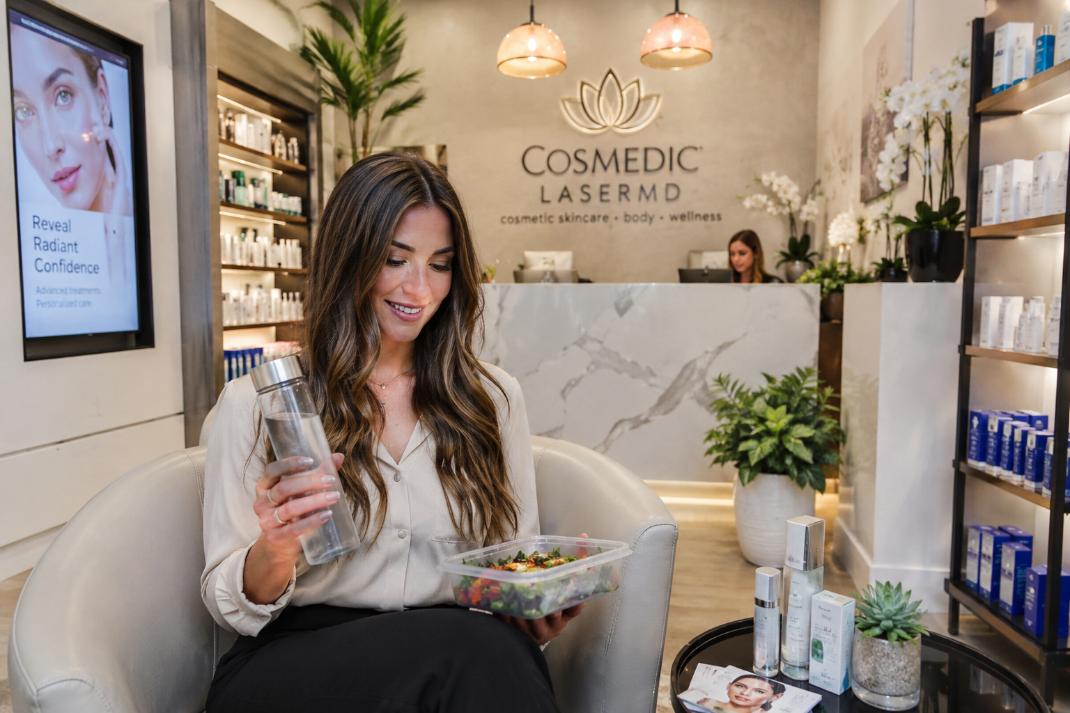
The waiting room felt unusually calm for a Thursday evening. A young attorney scrolled through work emails while sipping from a reusable water bottle.
Nearby, a healthcare administrator talked about weekend meal prep with a friend.
Conversations like these are becoming more common inside clinics offering aesthetic treatments in Ann Arbor, where beauty routines are starting to overlap with sleep habits, nutrition goals, and stress management.
For many professionals, self-care no longer means an occasional luxury. It has become part of maintaining balance during demanding workweeks.
Some people even describe aesthetic appointments as a reminder to slow down and pay attention to their overall health. Looking refreshed can feel rewarding, but the deeper value often comes from the healthier routines that follow.
Beauty Routines Begin Crossing Into Wellness Territory
One local marketing executive described her experience almost casually. “I booked an appointment because I looked exhausted all the time. Then I realized I actually was exhausted all the time,” she said with a laugh.
That realization pushed her toward practical changes. She stopped staying up late, drank more water during the day, and started eating proper meals instead of skipping dinner after work.
A few months later, she said she felt noticeably better both mentally and physically.
Wellness professionals have started noticing similar patterns. When people invest in skin health or appearance-related treatments, they often become more aware of the lifestyle habits affecting those results.
Sleep quality, hydration, stress levels, and diet suddenly feel more connected to everyday appearance.
The connection also makes sense biologically. Poor sleep can contribute to dull skin and dark circles under the eyes. Highly processed foods may affect skin clarity and energy levels.
Once people begin noticing how much their habits influence how they feel and look, healthier routines become easier to maintain.
Long Workdays Create Demand for Better Recovery
Burnout has become increasingly common among professionals in Ann Arbor, especially remote workers, healthcare employees, and university staff.
Conversations about exhaustion now happen everywhere, from office hallways to coffee shops downtown. Many people simply want to stop looking permanently tired.
That desire has quietly encouraged healthier recovery routines. More professionals are prioritizing nutrient-dense meals, hydration-focused therapies, exercise, and structured wellness support during busy weeks.
A nutrition consultant I recently spoke with explained that visible progress can motivate people to stay consistent.
“When clients notice improvements in their skin or energy levels, they become more committed to the habits that created those changes,” Wright explained. “Confidence reinforces discipline.”
Waking Up to Confidence, Not Perfection
Perhaps the biggest shift is cultural. Beauty conversations once focused heavily on flawlessness. Now the emphasis feels more practical. People want to appear rested, healthy, and confident instead of perfect.
Busy professionals are not necessarily chasing impossible standards. Many just want to feel comfortable walking into an early meeting or social gathering without looking completely drained from the workweek.
It sounds simple, but small improvements in confidence can encourage healthier long-term behavior.
This growing connection between appearance and wellness may reflect a broader shift in modern self-care culture. More people are recognizing how closely physical appearance, stress, sleep, and nutrition influence one another.
Better eating habits can improve sleep quality. Better sleep can support mood, confidence, and daily performance.
Some wellness experts discussing healthy aging among Asian populations have even pointed to these interconnected habits as an important long-term focus for overall well-being.